Apple and Google file patents for adaptive glasses and self-driving cars
Apple and Google lead this week's filings with patents for adaptive AR glasses and simplified self-driving controls.
We have a busy week of granted patents from major tech players. Apple and Google are focusing heavily on hardware and autonomous systems, while others look at audio and voice tech. Here is what the filings describe.
Apple patents AR glasses that adjust lens spacing to fit your eyes
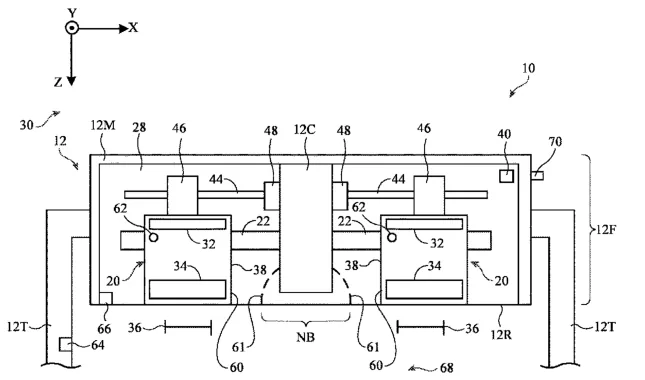
Apple describes a head-mounted device where motors slide the lenses closer together or further apart. This adjustment matches the distance between a user's eyes. The system uses clutches or sensors to limit force and prevent pinching the nose.
The adjustment is triggered by a button, but only works when a sensor confirms the device is not currently being worn. This design aims to make future smart glasses more comfortable for a wider range of users by fitting the hardware to their face shape.
See the details in the Patent Tracker · Read the full filing (official PDF)
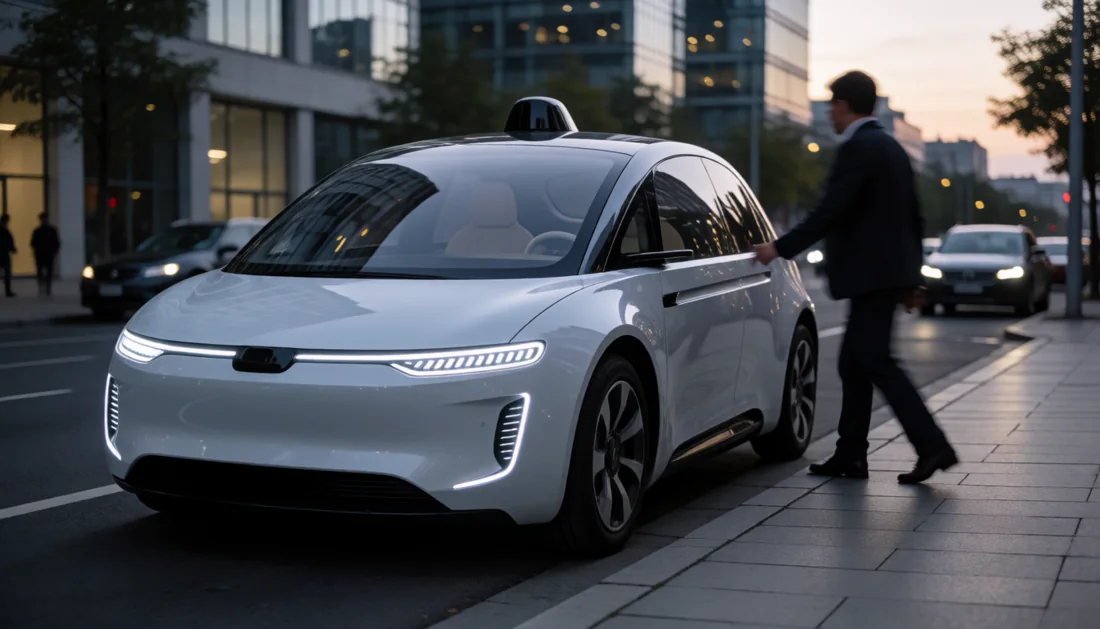
Waymo patents driverless cars with just two buttons for passengers
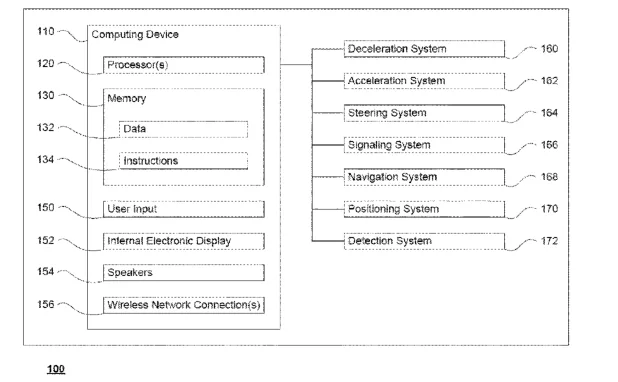
Google describes a self-driving car with no steering wheel or pedals. It relies on a simple set of buttons for passengers. One button serves two roles: starting a ride and pulling the car over to stop. A separate button is dedicated solely to emergency braking.
The system uses lights or text to show when these buttons are active. This ensures passengers know how to control the vehicle's movement. It simplifies the passenger experience in driverless cars by removing complex controls.
See the details in the Patent Tracker · Read the full filing (official PDF)
Samsung patents AR glasses that hide real-world objects on demand
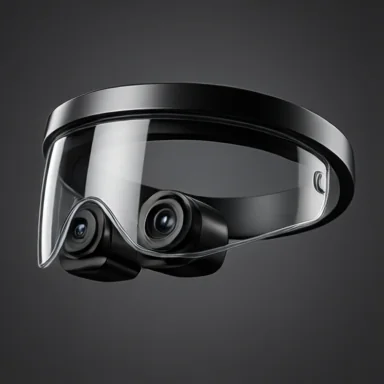
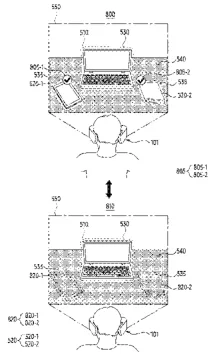
Samsung describes a head-wearable display device that can digitally cover up real-world objects. When a user triggers a specific setting, the device displays a visual overlay that hides the background. This leaves only the intended digital content visible.
The system can reveal the real-world object again if a specific condition is met. This technology could allow users to focus on digital tasks by temporarily blocking out visual distractions from their physical surroundings.
See the details in the Patent Tracker · Read the full filing (official PDF)
Disney patents AI that lets actors speak in a character's voice
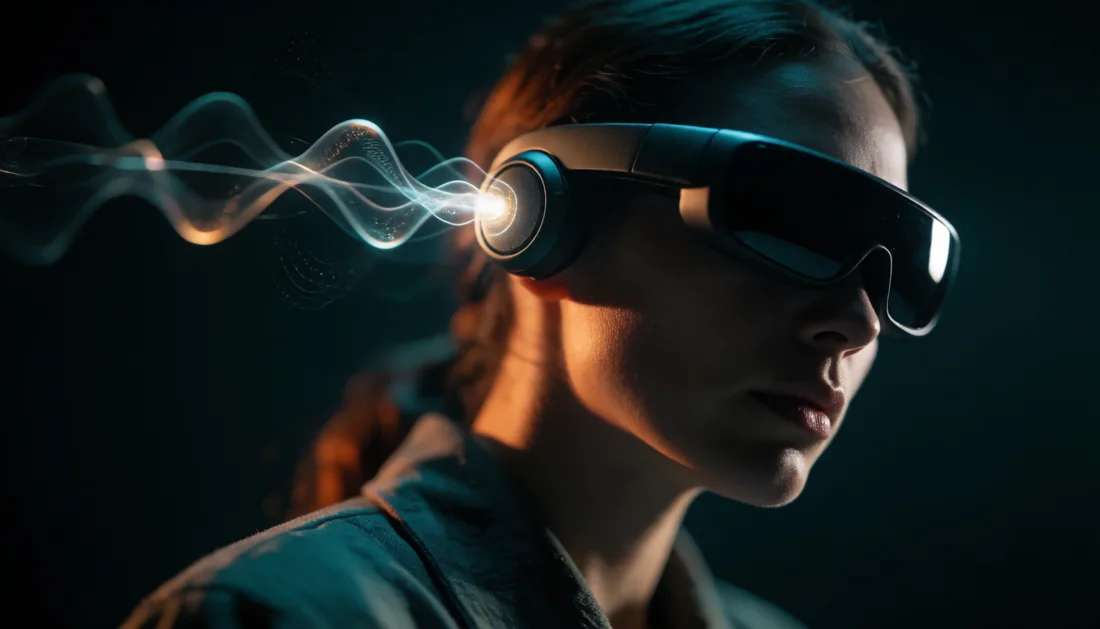
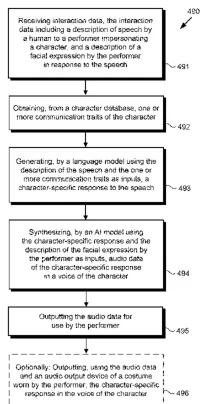
Disney describes a system that uses a large language model to generate a character's reply. It is based on a visitor's speech and the character's known traits. An AI model then turns that text into audio that matches the character's voice.
The audio is played through a wearable device worn by the actor. It could make theme park interactions feel more immersive by allowing actors to respond instantly with a character's authentic voice and tone.
See the details in the Patent Tracker · Read the full filing (official PDF)
Google patents system to create sound effects from text descriptions
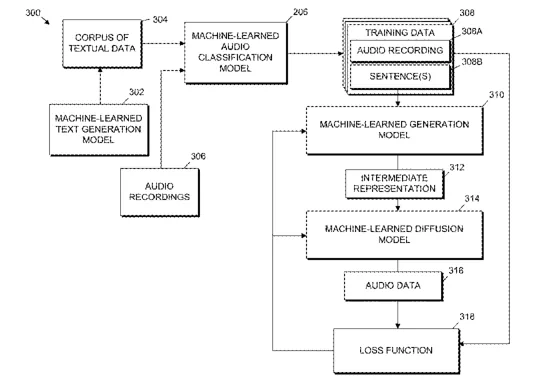
Google describes a system that turns written descriptions into actual audio files. It works by first training a model to understand the link between words and sounds. This uses user comments from video platforms.
The system then uses a diffusion model to generate new audio that matches a specific text prompt. This technology could allow creators to easily produce custom sound effects or background noise just by typing what they hear.
See the details in the Patent Tracker · Read the full filing (official PDF)
Amazon patents voice assistants that adjust personality based on your mood
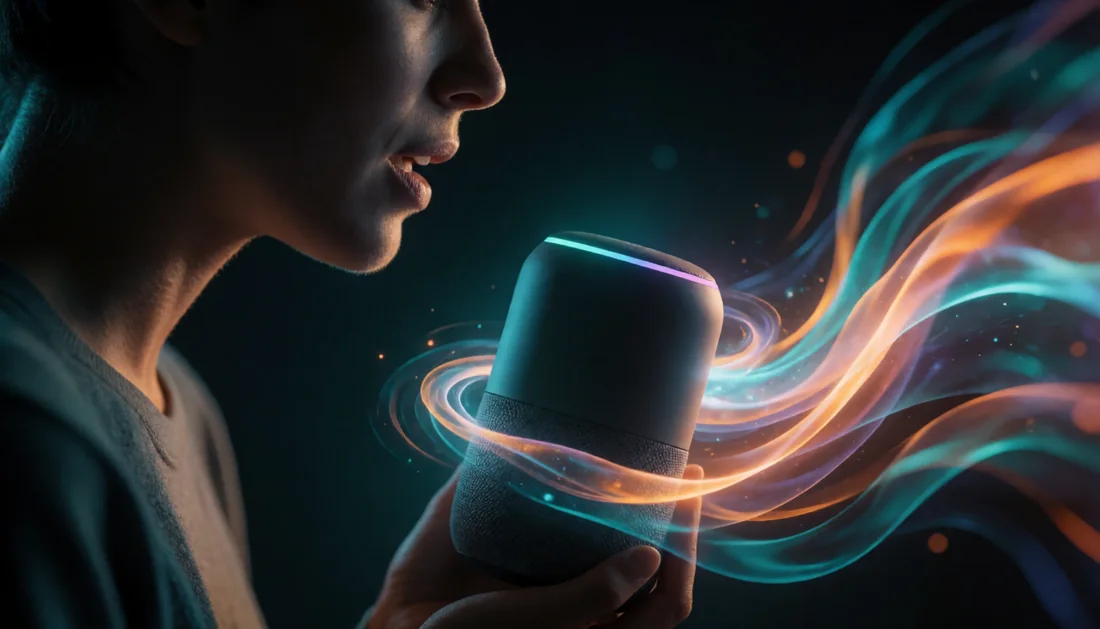
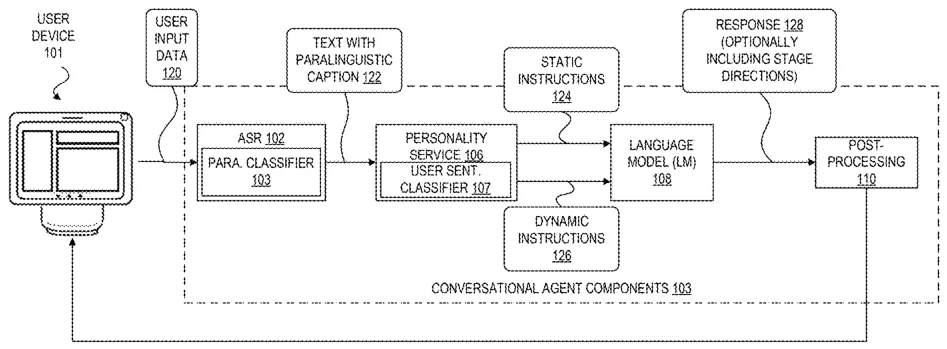
Amazon describes a system that allows voice assistants to detect a user's emotional state. It analyzes both the words spoken and the tone of voice to determine the user's sentiment. The system then instructs the language model to emphasize specific personality traits in its response.
This ensures the assistant's reply matches the emotional context of the conversation. It could make voice interactions feel more natural and less robotic by allowing devices to respond with appropriate empathy or energy based on how the user sounds.
See the details in the Patent Tracker · Read the full filing (official PDF)
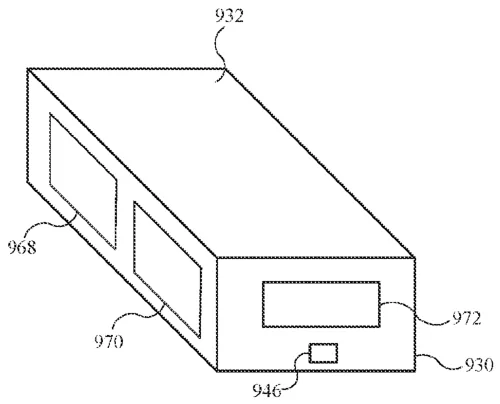
Apple patents glasses case that charges and updates smart eyewear
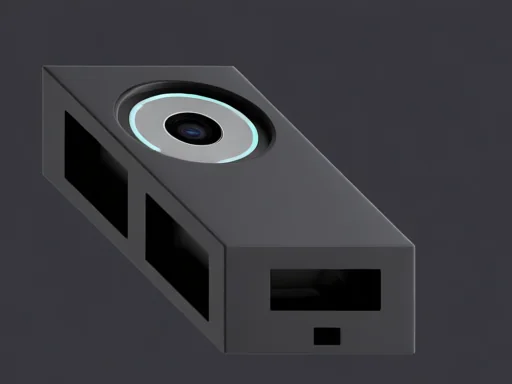
Apple describes a charging case for wearable devices with lenses, such as smart glasses. The case uses a coil to wirelessly charge the device. It also sends data to update the device's software based on a unique ID.
This design could make it easier to keep smart glasses updated and charged without plugging them in. It aims to improve the user experience for future wearable tech by handling both power and software updates in one step.
See the details in the Patent Tracker · Read the full filing (official PDF)
Readers are invited to browse every filing in our tracker to see the full details. We update this list weekly with new patent news.
Browse all 535 filings from this week →
Patent data and drawings: U.S. Patent and Trademark Office (USPTO). Nebula is not affiliated with or endorsed by the USPTO.
Get new articles by emailWeekly, every 2 weeks or monthly.