Meta, Google, and Sony file patents for robots and displays
Meta, Google, Sony, Amazon, and Nvidia filed patents covering robotic touch, satellite chips, and quantum security.
This week brought a steady stream of 582 granted patents from 13 major tech companies. The filings cover a wide range of hardware and software innovations, from robotic hands to quantum encryption. Here is a closer look at seven notable patents that could shape future technology.
Meta patents robotic fingertip that uses cameras to feel touch
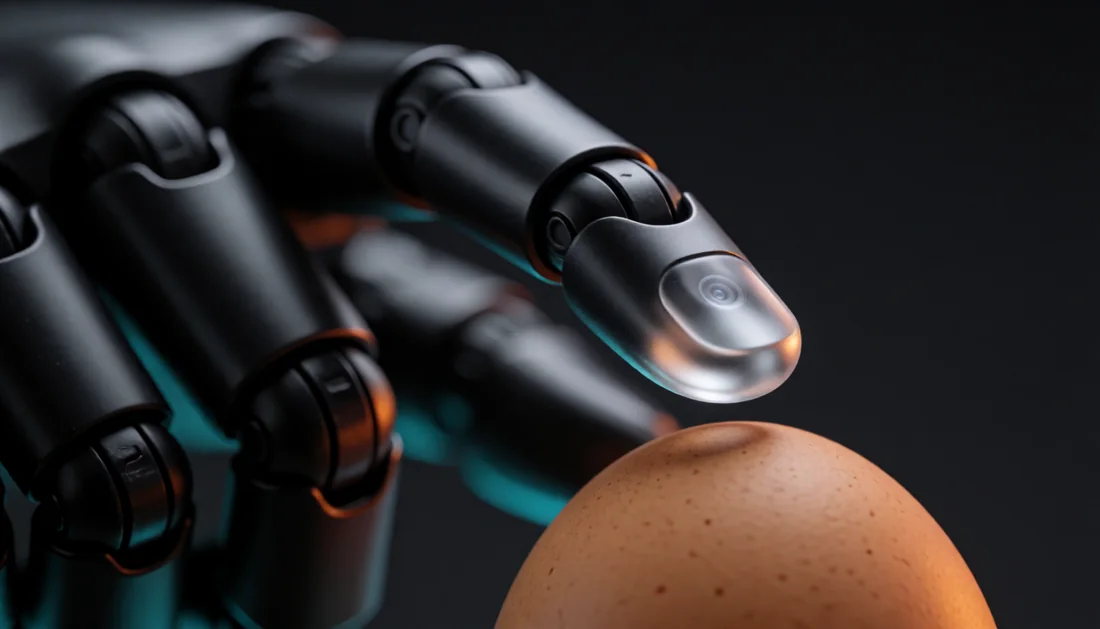
Meta has patented a robotic fingertip that uses a silicone dome and cameras to sense touch. The system captures how light scatters inside the material and uses machine learning to interpret physical contact.
This design could help robots handle delicate objects with greater precision. By giving machines a digital sense of touch, they may perform tasks that require fine motor skills more effectively.

See the details in the Patent Tracker · Read the full filing (official PDF)
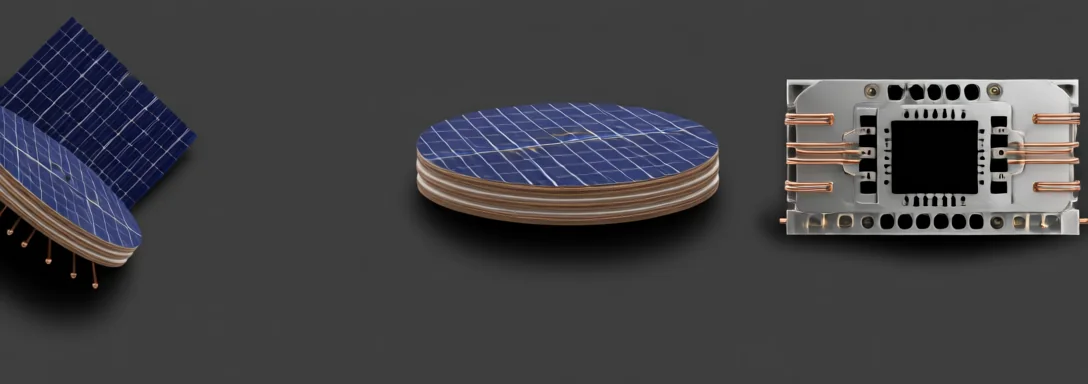
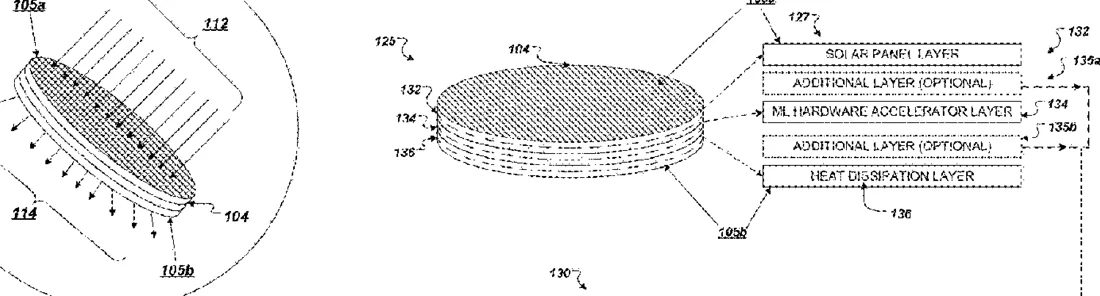
Google patents satellite module with built-in AI chip and solar cooling
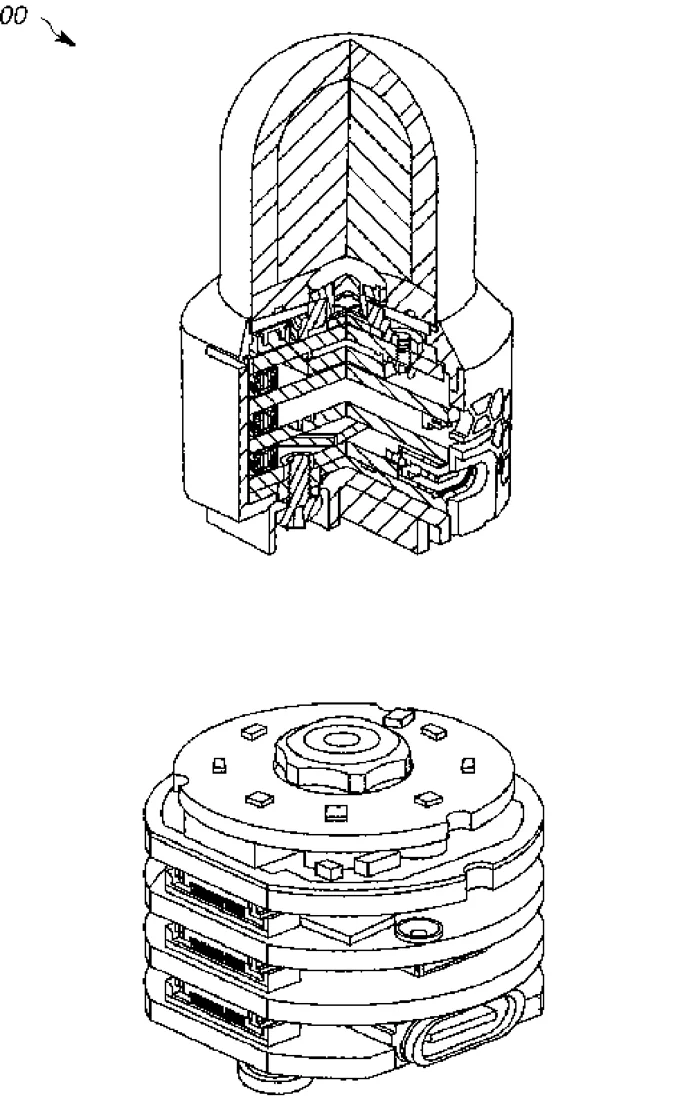
Google described a satellite module that places an AI processor directly next to a solar panel. It uses heat pipes to move waste heat away from the chip, allowing for compact and efficient power use.
This approach could make satellites smaller and more capable. By processing data on-board, satellites might handle complex calculations without needing to send raw data back to Earth.
See the details in the Patent Tracker · Read the full filing (official PDF)
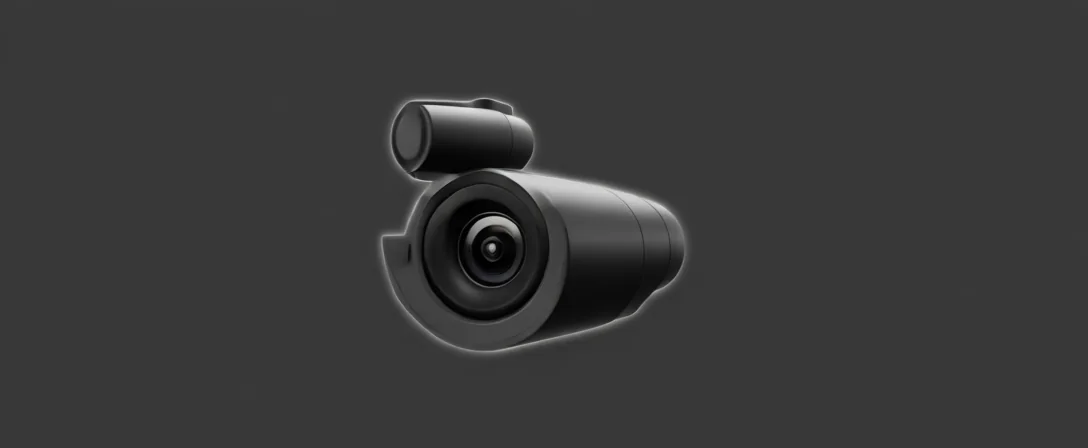
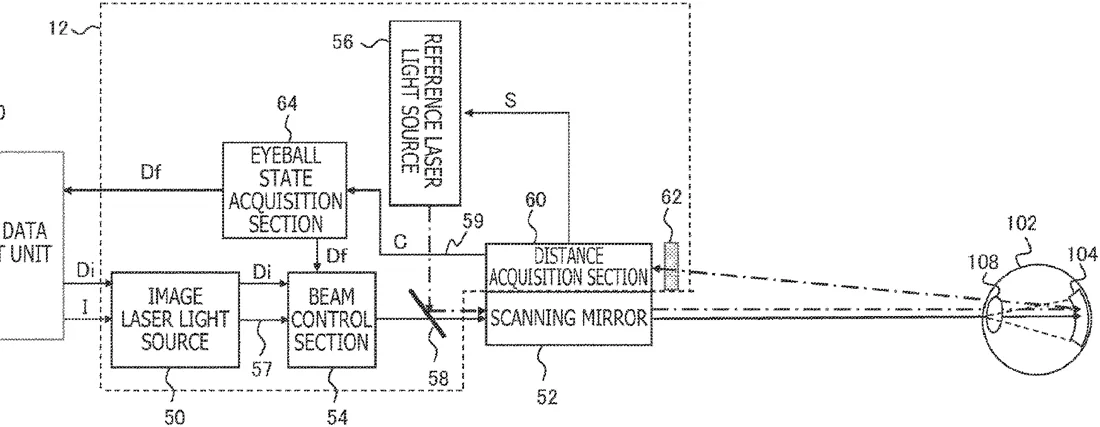
Sony patents eye-tracking display that adjusts laser focus to your vision
Sony filed a patent for a display system that projects laser light directly onto the user's retina. It uses sensors to measure the shape of the eye and adjusts the laser's focus to match the user's vision.
This technology could make future headsets sharper and more comfortable. By automatically correcting for individual differences in eye shape, the system might provide a clearer image for each person.
See the details in the Patent Tracker · Read the full filing (official PDF)
Amazon patents robot coordination using machine learning
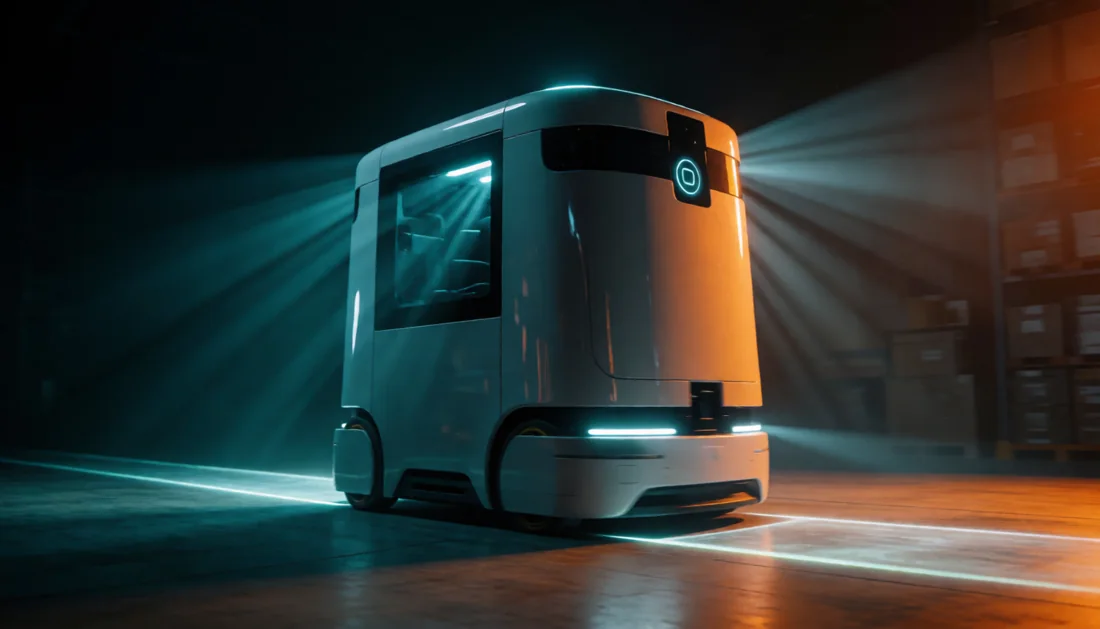
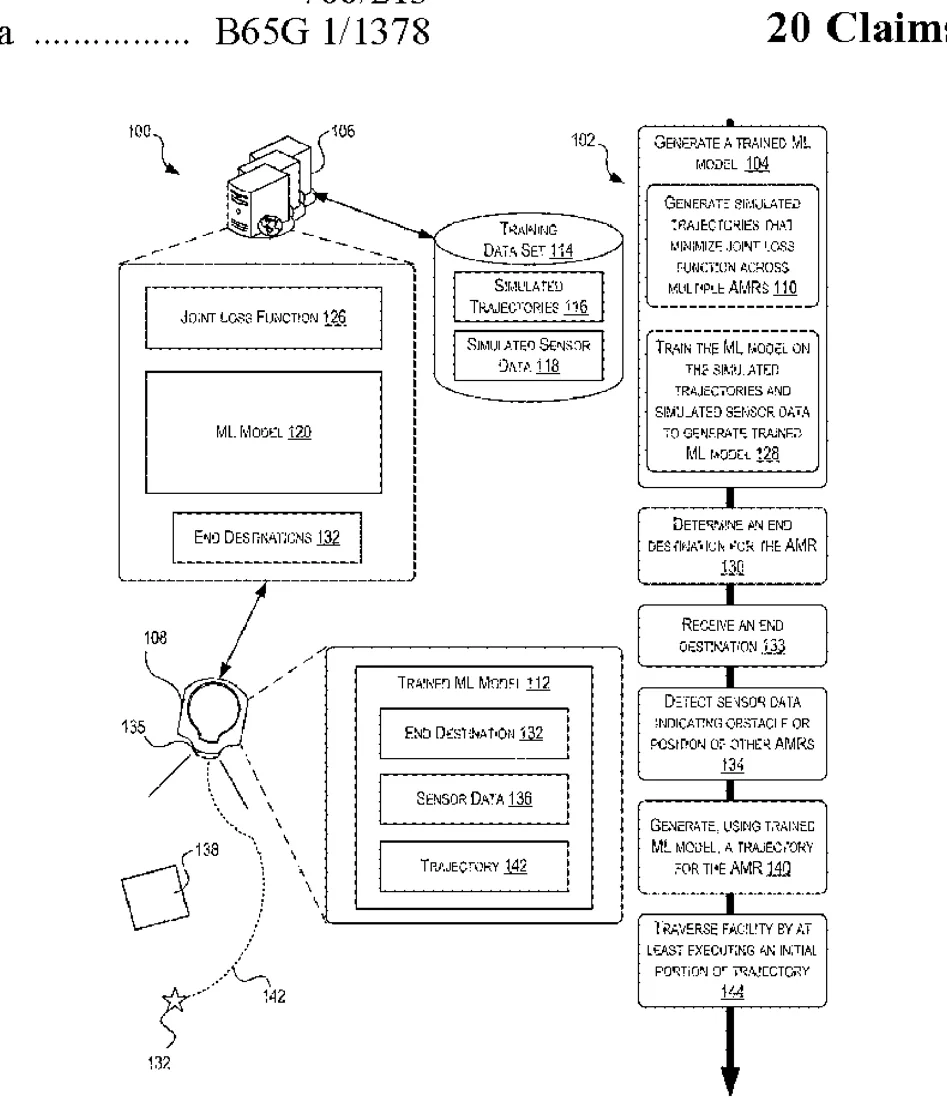
Amazon patented a system for coordinating warehouse robots using machine learning. The model is trained on simulated scenarios to help multiple robots plan their paths and avoid collisions.
This approach could make large robot fleets move more smoothly. By handling complex traffic patterns automatically, warehouses might operate with greater efficiency and fewer disruptions.
See the details in the Patent Tracker · Read the full filing (official PDF)
Sony patents stadium seats that turn crowd actions into on-screen graphics
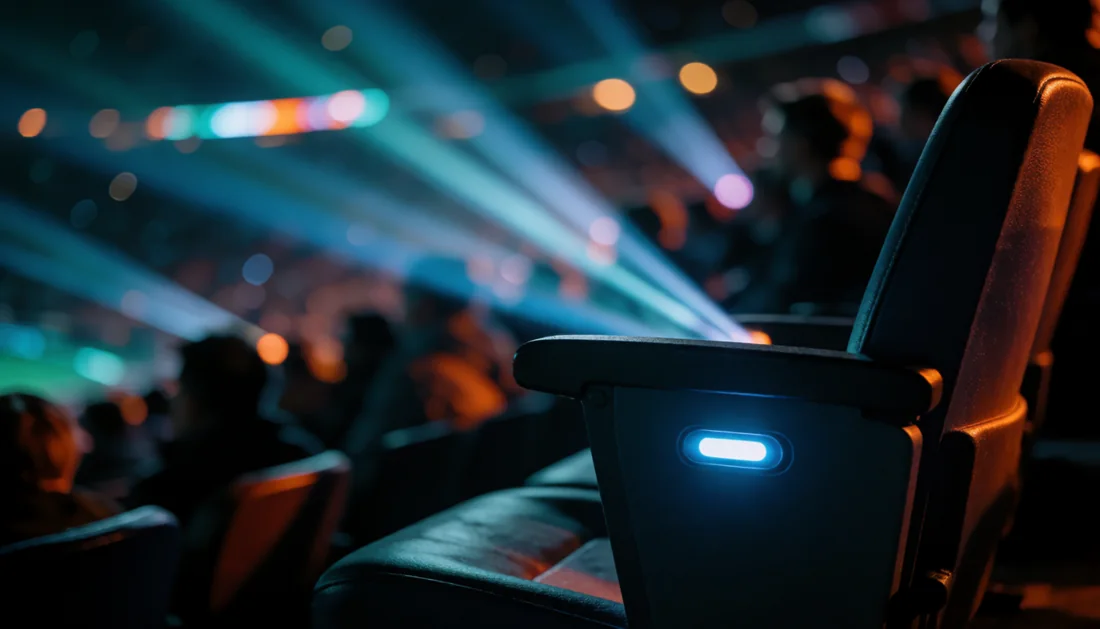
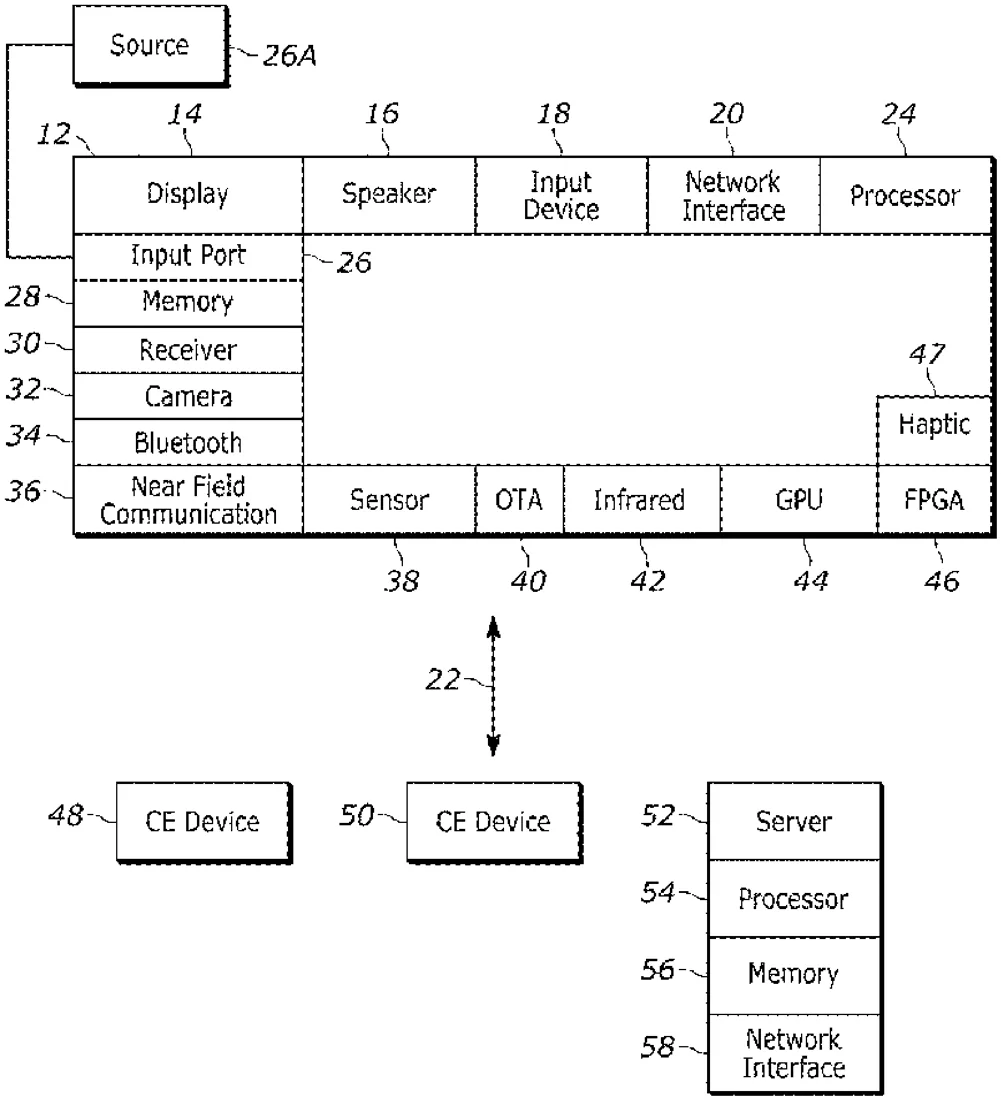
Sony describes a system where sensors in stadium seats detect when fans perform the same action. A machine learning model combines these signals to create a digital image on the main video screen.
This offers a new way for audiences to see their collective energy. It allows large groups to interact with the display by turning their physical actions into on-screen graphics during live events.
See the details in the Patent Tracker · Read the full filing (official PDF)
Google patents search results that mix real clips with AI-made video
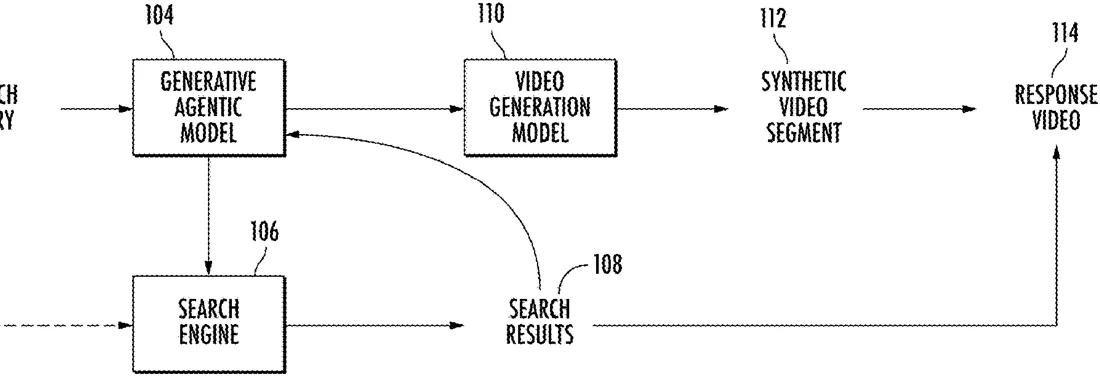
Google patented a search system that answers queries with a custom video. It combines existing web videos with new, computer-generated segments to create a single, tailored response.
This could change how people get answers online. Instead of just a list of links, users might receive a visual summary that blends real clips with generated content.
See the details in the Patent Tracker · Read the full filing (official PDF)
Nvidia patents quantum encryption that self-destructs on wrong keys
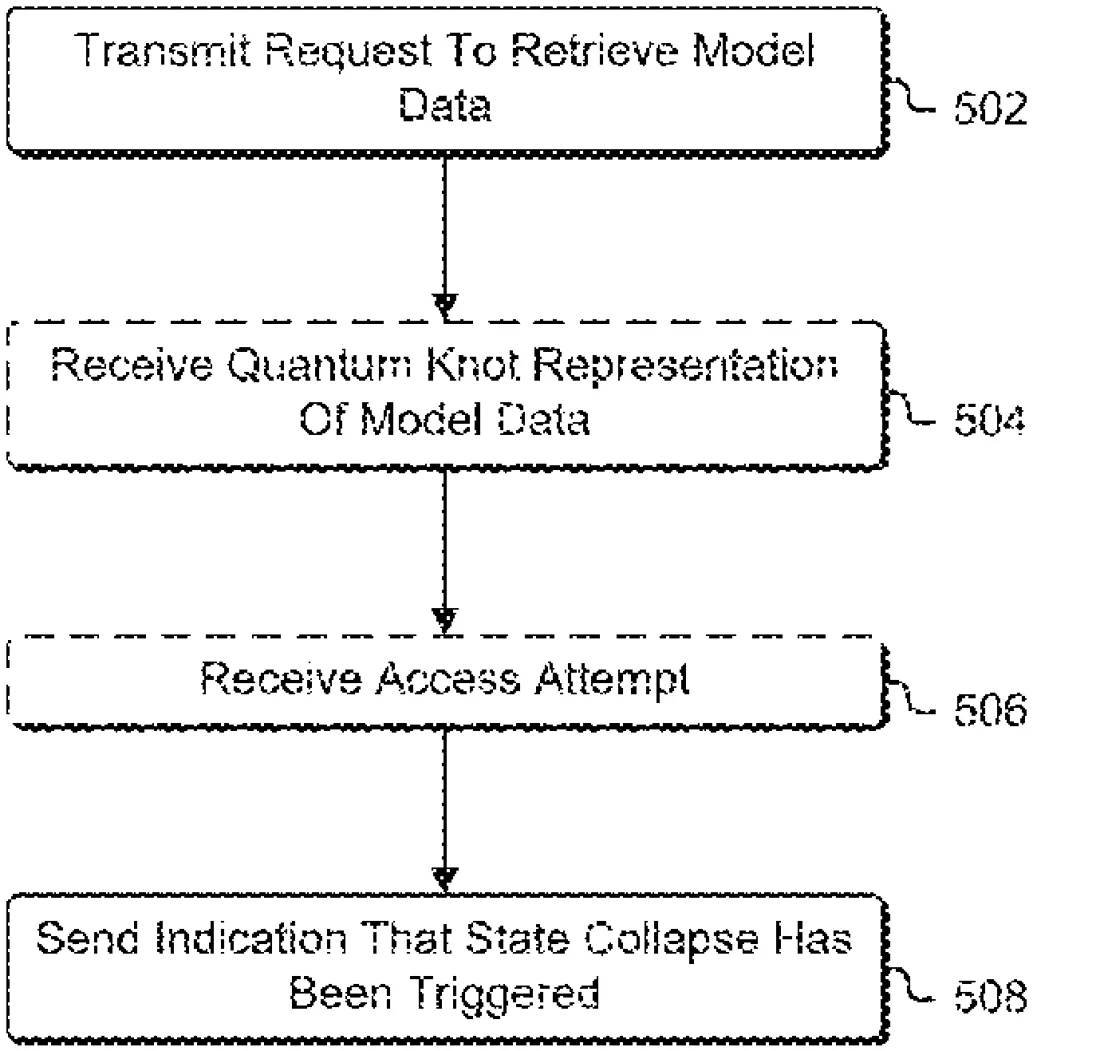
Nvidia described a system that encodes encrypted data into fragile quantum states. If someone tries to read this data with the wrong key, the act of checking it changes the state and destroys the information.
This approach uses the laws of physics to protect data. Any attempt to break in with an incorrect key would automatically erase the secret, making theft physically impossible.
See the details in the Patent Tracker · Read the full filing (official PDF)
We track every new filing and granted patent from major tech companies. Browse the full list in our tracker to see the latest innovations.
Browse all 582 filings from this week →
Patent data and drawings: U.S. Patent and Trademark Office (USPTO). Nebula is not affiliated with or endorsed by the USPTO.
Get new articles by emailWeekly, every 2 weeks or monthly.