Apple patents face ID that works when your face is partially covered
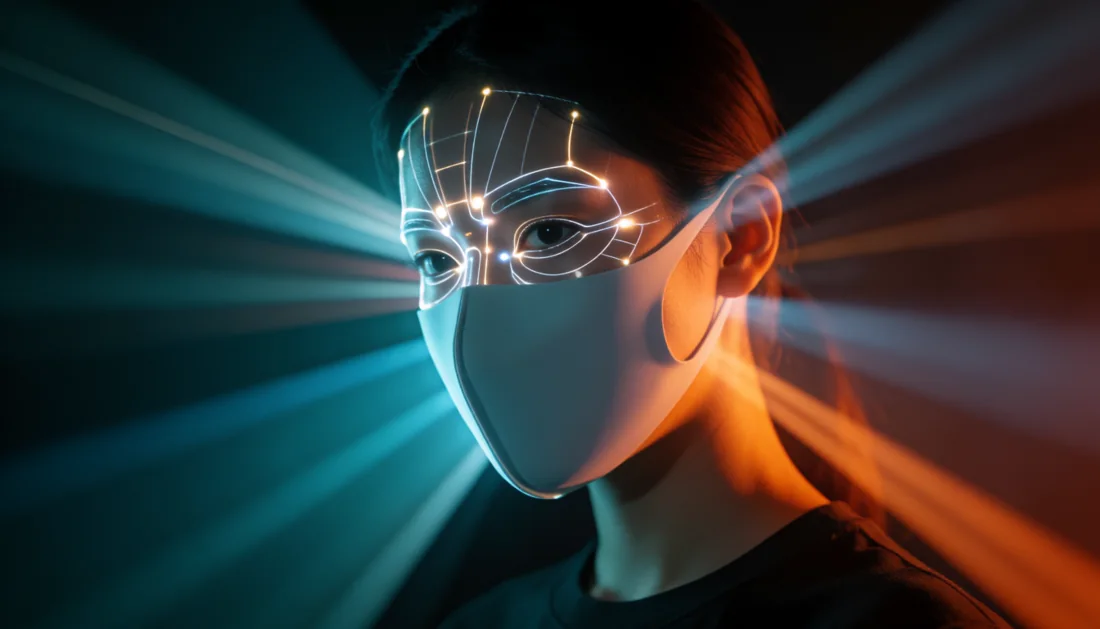
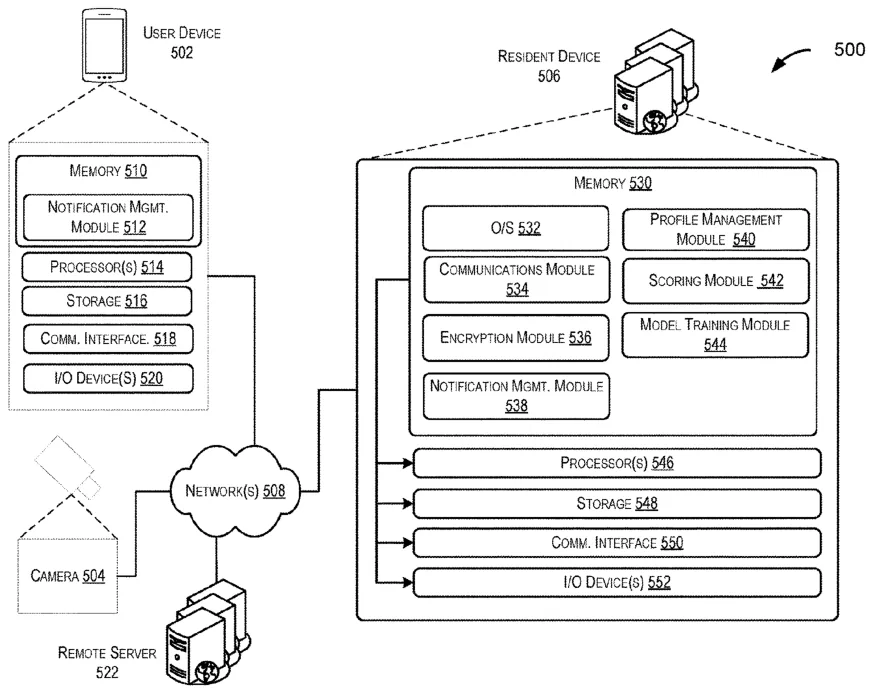
Apple describes a method for facial recognition that uses a computer model trained on simulated masks to identify people. The system compares a clear photo of a user with a new image where the face is partially hidden, such as by a mask, to verify identity.
In the filing’s own words
Techniques are disclosed for determining the presence of a particular person based on facial characteristics. For example, a device may include a first image in a reference set of images based on determining that a face shown in the first image is not covered by a face covering. A trained model of the device may determine a first set of characteristics from the first image, whereby the trained model is trained utilizing simulated face coverings to match a partially covered face of a particular person with a non-covered face of the particular person. The device may also determine a second set of characteristics associated with a face of a second person based on a second image. The trained model may then determine a score corresponding to a level of similarity between both sets of characteristics, and then determine whether the first person is the second person based on the score.
What exactly they claim (claim 1)
1. A computer-implemented method, comprising: receiving, by a first device, a first image comprising a portion of a face of a first person, the first image being included within a set of reference images for the face of the first person based at least in part on a determination that the portion of the face of the first person shown in the first image is not covered by a face covering, and the set of references images respectively showing non-covered portions of the face of the first person; determining, by a trained model of the first device, a first set of characteristics associated with the face of the first person based at least in part on the first image of the set of reference images, the trained model being trained to match a partially covered face of a particular person with a non-covered face of the particular person, and the trained model being trained to perform the match based at least in part on utilizing a simulated face covering to cover the partially covered face; receiving, by the first device from a second device comprising a camera, a second image comprising a portion of a face of a second person, the portion comprising a face covering that partially covers the face of the second person; determining, by the trained model of the first device, a second set of characteristics associated with the face of the second person; determining, by the trained model of the first device, a score that corresponds to a level of similarity between the first set of characteristics associated with the face of the first person and the second set of characteristics associated with the face of the second person; and determining, by the first device, whether the first person is the second person based at least in part on the score.
Facts
- Company
- Apple (Apple Inc.)
- Official title
- IDENTIFYING PARTIALLY COVERED OBJECTS UTILIZING SIMULATED COVERINGS
- Publication number
- US20260360182A1
- Application number
- 19746282
- Filed
- Jul 17, 2026
- Published
- Nov 12, 2026
- Inventors
- 7
- Claims
- 20
Classified under
G06V 40/172 Physics & computingG06F 18/21 Physics & computingG06F 18/22 Physics & computingG06F 21/602 Physics & computingG06N 20/00 Physics & computingG06V 10/993 Physics & computingMore from Apple in Security & privacy
- Apple patents way to spot if a lost item tracker is following you Sep 29, 2026
- Apple patents eye-area scans that use 3D shadows for security Oct 13, 2026
- Apple patents eye-tracking to unlock nearby devices automatically Sep 24, 2026
- Apple patents eye-based guest mode for shared devices Sep 8, 2026
- Apple patents call screen that hides sensitive images before you answer Sep 15, 2026
Summaries are simplified from the filing’s own abstract and first claim. A patent filing is not a product announcement.
Patent data and drawings: U.S. Patent and Trademark Office (USPTO). Nebula is not affiliated with or endorsed by the USPTO.