Samsung patents video decoding method that adjusts transform types by block size
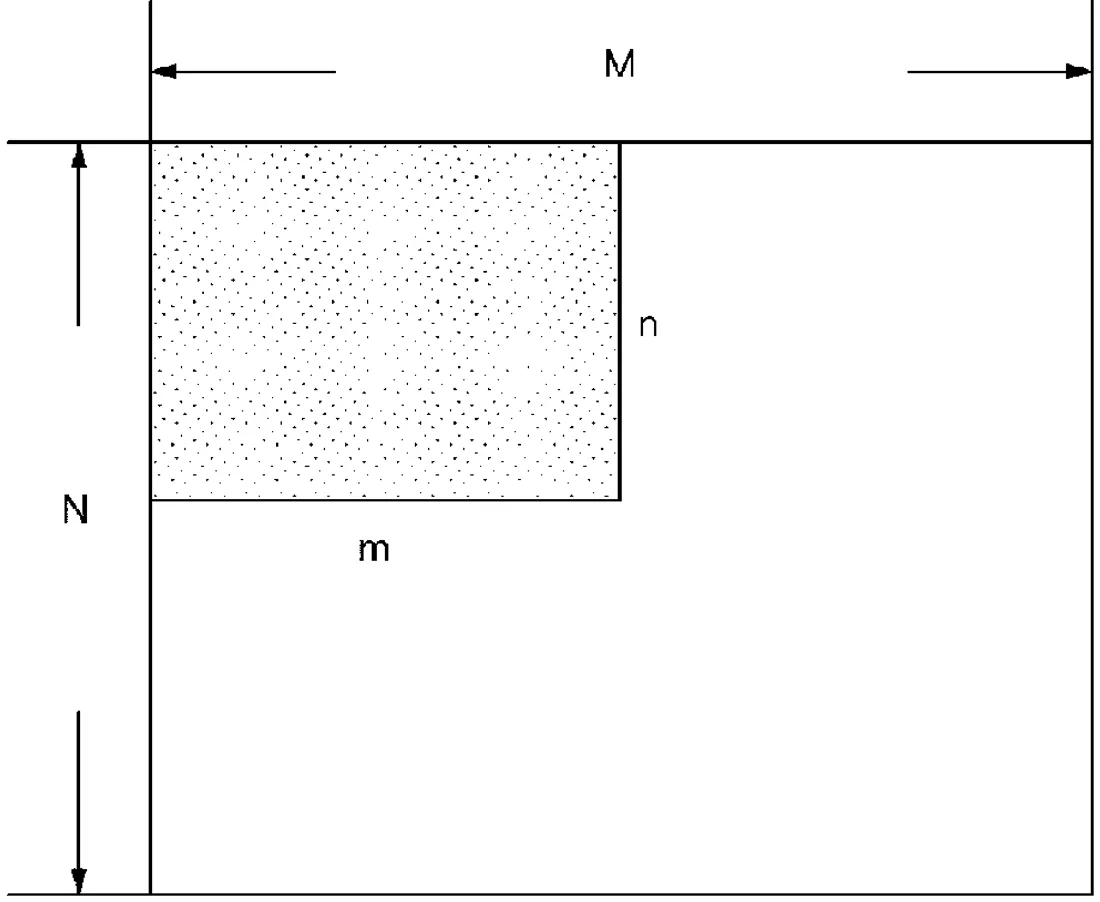
Samsung has been granted a patent for a video decoding method that determines how to process video data based on the size of specific blocks. The system checks if a 'multiple transform set' applies to a block and uses the block's width and height to define a specific area for processing, such as limiting the active area to 32x32 pixels for larger 64x64 blocks.
In the filing’s own words
Provided are a video decoding method and device. This specification provides a video decoding method comprising the steps of: acquiring a parameter indicating whether a multiple transform set is applicable to a block to be decoded, as well as information about the width of the block to be decoded and the height of the block to be decoded; determining the transform type of the block to be decoded on the basis of at least one of the parameter indicating whether a multiple transform set is applicable, or the information about the width and height of the block to be decoded, and setting a zero-out region of the block to be decoded; and inverse-transforming the block to be decoded on the basis of the zero-out region of the block to be decoded and the result of determining the transform type.
What exactly they claim (claim 1)
1. A video decoding method performed by a video decoding device, the method comprising: obtaining, from a bitstream, a parameter related to whether a multiple transform set (MTS) can be applied to a decoding block; determining a transform type of the decoding block based on at least one among the parameter related to whether the multiple transform set (MTS) can be applied to the decoding block, and a size of the decoding block; and setting a non-zero area of the decoding block based on at least one among the parameter related to whether the multiple transform set (MTS) can be applied to the decoding block, and the size of the decoding block, wherein whether or not syntax information with regard to a maximum size of a transform applied to the decoding block is signaled to the video decoding device depends on whether a block size is greater than a predetermined size, wherein when the size of the decoding block is one of width 64×height 64, width 64×height 32, and width 32×height 64, the non-zero area of the decoding block is width 32×height 32 at upper-left of the decoding block, and wherein when the size of the decoding block is smaller than or equal to width 16× height 16, the non-zero area of the decoding block is all area within the decoding block.
Facts
- Company
- Samsung (SAMSUNG ELECTRONICS CO., LTD.)
- Official title
- Video decoding method and device
- Patent number
- US12756830B2
- Application number
- 19019701
- Filed
- Jan 14, 2025
- Granted
- Oct 6, 2026
- Inventors
- 1
- Claims
- 3
Classified under
H04N 19/122 Electricity & electronicsH04N 19/103 Electricity & electronicsH04N 19/136 Electricity & electronicsH04N 19/176 Electricity & electronicsH04N 19/60 Electricity & electronicsH04N 19/70 Electricity & electronicsMore from Samsung in AI & software
- Samsung patents tool to erase objects from photos using AI Sep 24, 2026
- Samsung patents drawing objects into photos with AI Oct 15, 2026
- Samsung patents AI that creates personalized exercise videos Sep 10, 2026
- Samsung patents AI summaries for paused TV shows based on your viewing habits Sep 24, 2026
- Samsung patents turning chat conversations into image prompts Oct 1, 2026
Summaries are simplified from the filing’s own abstract and first claim. A patent filing is not a product announcement.
Patent data and drawings: U.S. Patent and Trademark Office (USPTO). Nebula is not affiliated with or endorsed by the USPTO.